
Prayer Research
Discover meaningful insights into prayer through shared experiences, community discussions, and faith-based resources that inspire a deeper prayer life.
There is actually a respectable body of research supporting the idea that prayer and
religious/spiritual practices can help many people psychologically, especially when
used as coping mechanisms and when connected to a supportive faith community.
The important thing is that researchers usually find benefits through psychological,
emotional, behavioral, and social pathways, not through “mysterious energy fields
altering reality from 500 miles away.” Humans do love skipping directly to the supernatural
explanation. Saves paperwork.
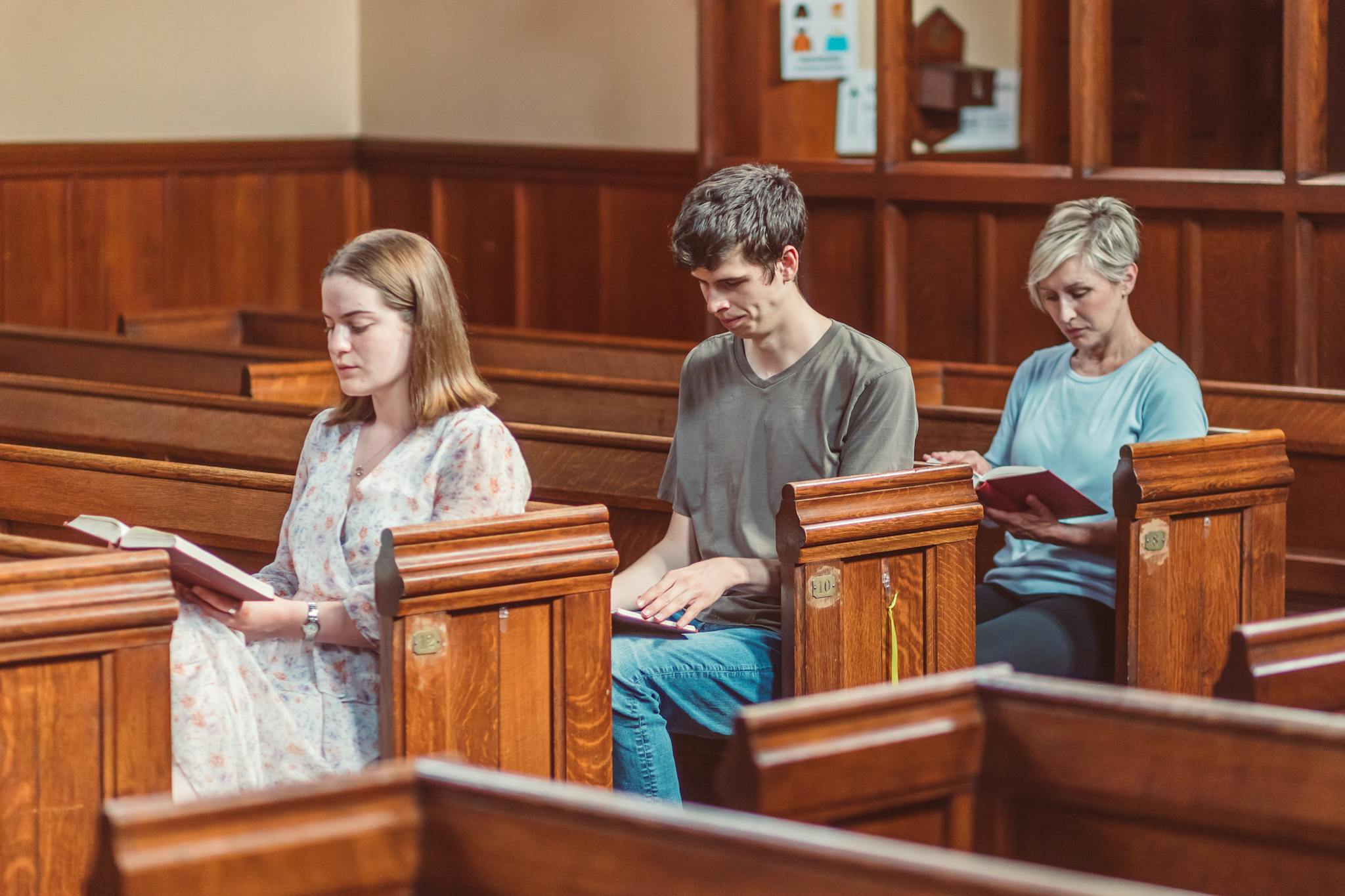
Reduced stress
Research suggests prayer can function similarly to other contemplative practices by
helping regulate emotions and reduce stress responses.
A review in Psychological Science noted that prayer may calm the nervous system and
reduce fight-or-flight activation. https://www.psychologicalscience.org/news/the-science-of-
prayer-2.html
A large review on daily prayer and well-being found evidence that prayer can buffer stress
and act as a coping mechanism by reducing negative emotional states.
https://pmc.ncbi.nlm.nih.gov/articles/PMC10191893/
Increased hope and meaning
This is one of the stronger findings.
A 2023 systematic review and meta-analysis found that religion and spirituality can foster:
- hope
- meaning in life
- prosocial attitudes
- social connectedness
These factors are strongly associated with mental well-being.
https://link.springer.com/article/10.1186/s12888-023-05091-2
Another review found associations between religious/spiritual beliefs and:
- higher life satisfaction
- optimism
- hope
- lower anxiety and depression rates.

Better coping during illness
This area has substantial literature.
Research on religious coping shows that many patients use prayer during serious illness
to:
- manage fear
- find meaning
- maintain hope
- tolerate uncertainty
A recent review on chronic illness reported that positive religious coping strategies
were associated with better mental health outcomes, while negative religious
interpretations (“God is punishing me”) predicted worse outcomes.
https://www.tandfonline.com/doi/full/10.1080/13674676.2025.2546627
The distinction matters because not all prayer is psychologically beneficial. Some forms
help; some forms increase guilt, anxiety, or helplessness.
Stronger social support
This is probably one of the most overlooked mechanisms.
People involved in faith communities often gain:
- grief
- trauma
- chronic illness
- life stress
Systematic reviews report lower perceived stress and better adaptation among people
using positive religious coping strategies.
https://jrh.gmu.ac.ir/browse.php?a_id=2724&html=1&sid=1&slc_lang=en
Research among veterans has also suggested that prayer can function as a trauma-
processing and coping tool associated with lower PTSD and depression symptoms.
Greater resilience
Studies on religious coping repeatedly find that positive faith practices can increase
resilience during:
- regular social contact
- emotional support
- shared rituals
- practical help during crises
- a sense of belonging
The 2023 meta-analysis highlighted social connectedness as a major pathway through
which religious involvement may benefit mental health.
https://link.springer.com/article/10.1186/s12888-023-05091-2
In other words, sometimes the miracle is that people actually show up for each other. A surprisingly underutilized technology.

Improved mental well-being
This is where the evidence is broadest.
A major 2021 review of spirituality/religion and mental health concluded that religious and
spiritual involvement is consistently associated with mental-health-related benefits across
many studies.
A 2022 review of older adults found significant associations between religious/spiritual
practices and better mental health outcomes.
https://www.frontiersin.org/journals/medicine/articles/10.3389/fmed.2022.877213/full
Another large review found that nearly half of prospective studies reported better
depression outcomes among religious or spiritual participants, though the effect sizes were
generally modest.
What the evidence honestly supports
The strongest defensible statement is:
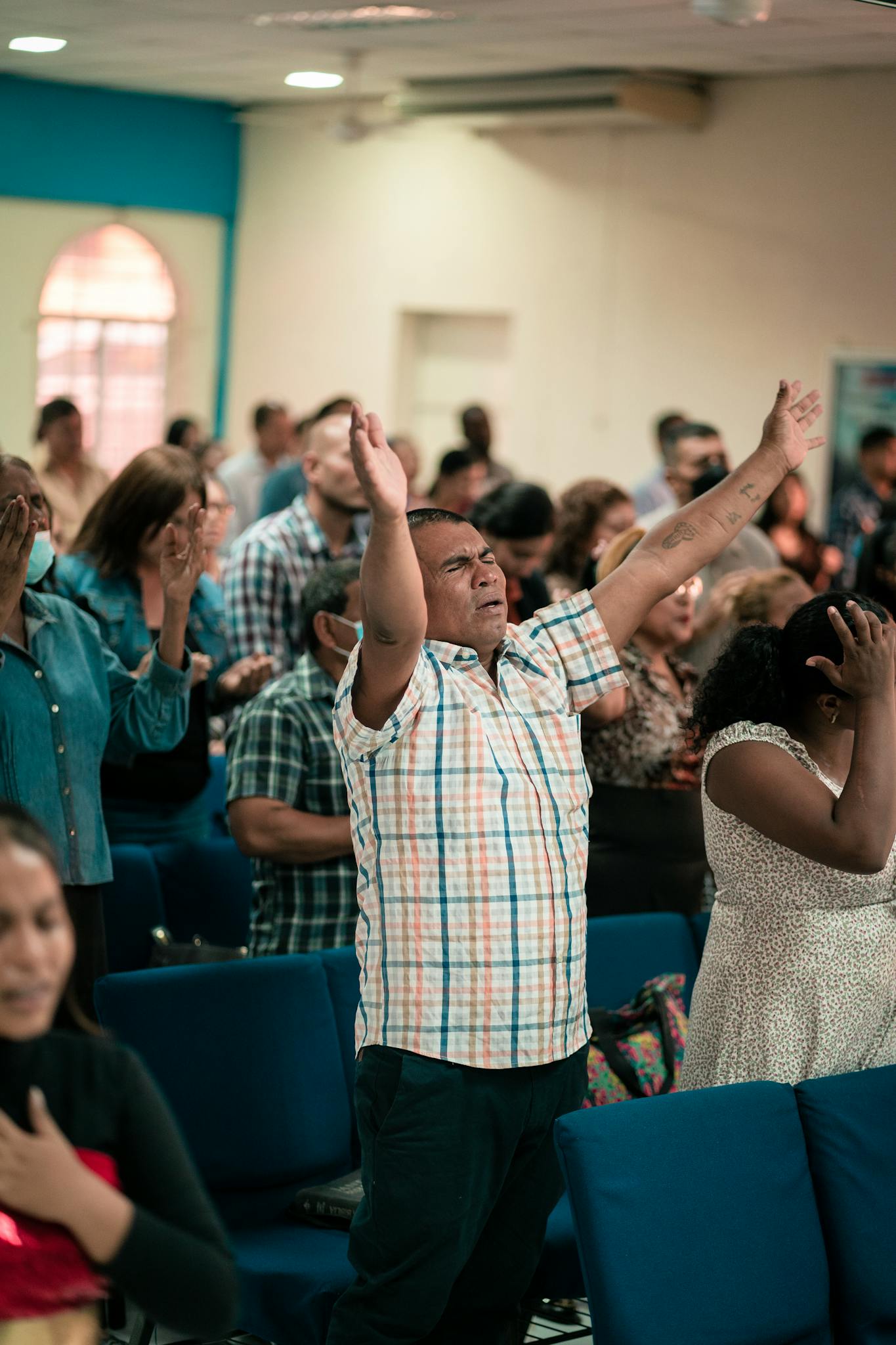
Prayer often helps people cope with stress, suffering, uncertainty, grief, and illness by
providing meaning, hope, emotional regulation, spiritual comfort, and social connection.
In other words, sometimes the miracle is that people actually show up for each other. A surprisingly underutilized technology.